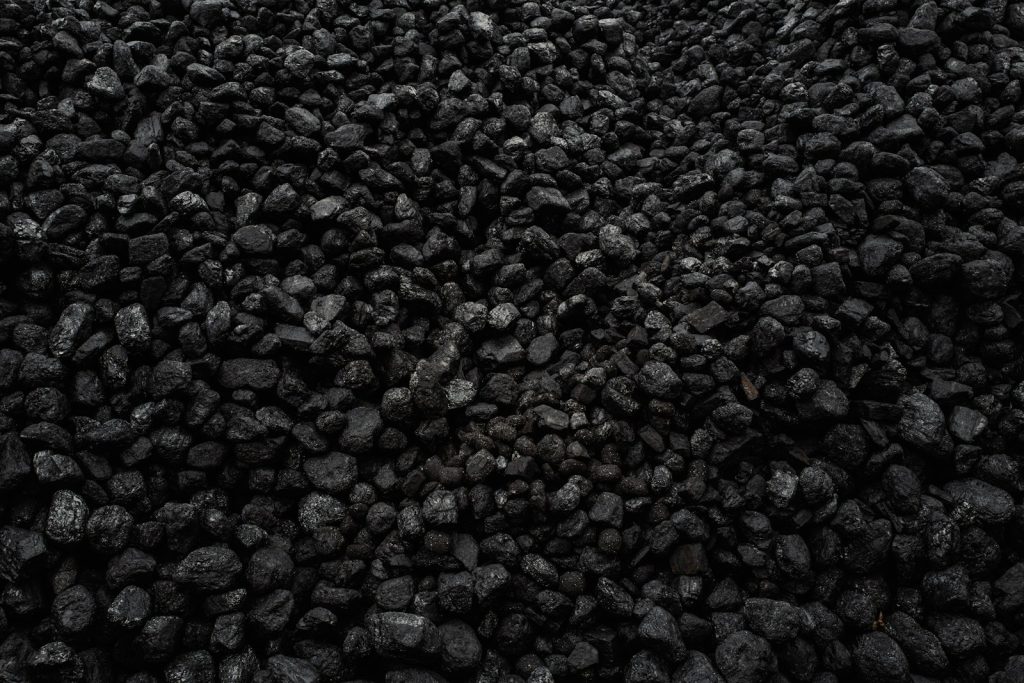
Honest sourcing note: Coconut shisha charcoal is a natural product, so ash, fixed carbon, moisture and volatile matter are stated as tier bands — super-premium typically 1.6–2.0% ash and ≥80% fixed carbon — not zero-variance figures. Final specs are confirmed per purchase order and SGS pre-shipment lab analysis. FOB and CFR figures are indicative ranges last verified June 2026 and move with shell cost, kiln fuel, labor and freight; final pricing is by quote, never posted as fixed. MOQ is one full container (20ft or 40ft HQ); we ship FCL only. We are an independent Indonesian export desk — not a single plantation or factory — aggregating vetted producers in Sulawesi, North Maluku and Java. Import duties and rules are your responsibility; this is general information, not legal advice.
To successfully import **shisha charcoal in Qatar and Kuwait**, buyers require precise information on market demands, product specifications, and logistics. This guide outlines critical considerations for navigating the **hookah coal Qatar** and **Kuwait shisha charcoal import** markets, ensuring a smooth procurement process from Indonesia.
## The Shisha Charcoal Market in Qatar and Kuwait
The shisha charcoal market in both Qatar and Kuwait demonstrates consistent growth, driven by a deeply embedded shisha culture and a discerning consumer base. While these markets may not command the sheer volume of larger GCC counterparts like Saudi Arabia or the UAE, they represent significant opportunities for suppliers capable of meeting specific quality and service benchmarks.
### Market Overview and Demand Drivers
Shisha consumption is a traditional and widespread social activity across the Middle East, including Qatar and Kuwait. Cafes, restaurants, and private gatherings all contribute to sustained demand for high-quality shisha charcoal. Key drivers include:
* **Cultural Integration:** Shisha is an integral part of social life, not merely a transient trend.
* **Disposable Income:** Both Qatar and Kuwait boast high per capita incomes, supporting demand for premium products.
* **Tourism and Hospitality:** Growing tourism sectors and a robust hospitality industry further fuel consumption in cafes and hotels.
Compared to markets like Saudi Arabia or the UAE, Qatar and Kuwait typically exhibit similar quality expectations but with slightly smaller, though still substantial, overall import volumes. Buyers in these nations prioritize consistency, low ash content, and a neutral burn that does not interfere with tobacco flavor.
### Key Product Specifications for the GCC
Importers in Qatar and Kuwait, like many across the **Middle East hookah charcoal market**, generally seek specific characteristics to ensure customer satisfaction. These specifications are crucial for brand reputation and repeat business.
* **Ash Content:** This is arguably the most critical parameter. Buyers overwhelmingly prefer ultra-low ash content.
* **Super-Premium Tier:** Typically targets ≤ 1.8% ash content.
* **Premium Tier:** Demands ≤ 2.0% to 2.2% ash content.
* **Standard Tier:** Accepts ≤ 2.5% ash content.
* *Note:* Any ash content exceeding 3% is generally considered undesirable for the GCC market. High ash means more frequent ash tray cleaning and can impart an unwanted taste.
* **Fixed Carbon (FC):** High fixed carbon indicates a long, consistent burn and high heat output.
* **Super-Premium Tier:** ≥ 80% FC.
* **Premium Tier:** ≥ 75% to 80% FC.
* **Standard Tier:** ≥ 70% to 75% FC.
* **Moisture Content:** Low moisture content is essential for efficient ignition and to prevent premature crumbling.
* **All Tiers:** Generally ≤ 6% to 8%. Higher moisture affects burn quality and adds unnecessary weight.
* **Volatile Matter:** Lower volatile matter means less smoke and smell during ignition, contributing to a cleaner shisha experience.
* **All Tiers:** Generally ≤ 12% to 15%.
* **Calorific Value:** A high calorific value (typically 7000-7500 Kcal/kg for quality coconut charcoal) ensures sufficient heat for the shisha tobacco.
* **Burn Time:** Customers expect a long, sustained burn, often 60-90 minutes per piece, reducing the need for frequent charcoal replacement.
* **Odor and Taste Neutrality:** The charcoal must be completely odorless and tasteless to allow the shisha tobacco’s flavor to dominate. This is a non-negotiable requirement.
## Preferred Shapes and Packaging
Beyond chemical specifications, the physical attributes of shisha charcoal are equally important for market acceptance in Qatar and Kuwait. These preferences are driven by practical considerations for shisha preparation and user experience.
### Common Charcoal Shapes
The vast majority of the market prefers machine-pressed, uniform shapes that offer predictable heat distribution and easy handling.
* **Cubes:** These are the most dominant shape.
* **25x25x25mm cubes:** The industry standard, offering a robust heat profile and long burn.
* **22x22x22mm cubes:** A slightly smaller alternative, often favored for smaller bowls or more controlled heat management.
* **Flats:** Less common than cubes but still have a market segment, particularly for certain types of shisha bowls or specific heat preferences.
* **25x25x17mm flats:** Provide a broader surface area for contact with the foil, potentially offering a different heat distribution.
* **Fingers/Sticks:** While popular in some other regions, finger shapes (e.g., 18x50mm) are less prevalent in Qatar and Kuwait compared to cubes, typically reserved for specialized shisha setups or specific user preferences.
The uniformity of machine-pressed charcoal is a significant advantage, as it ensures consistent density, leading to predictable burn times and stable heat output. Irregularly shaped charcoal is generally rejected by the market due to uneven burning and difficulty in placement.
### Packaging Standards
Packaging plays a critical role in brand presentation and product protection. Importers in Qatar and Kuwait typically look for professional, durable packaging that can withstand transit and appeal to end-users.
* **Inner Box Weights:** Common retail unit sizes include:
* 1 kg boxes
* 500 g boxes
* 250 g boxes
* *Note:* Packaging must clearly state the net weight.
* **Inner Box Material:** Sturdy, often laminated cardboard boxes are preferred to protect the charcoal from moisture and breakage. High-quality printing for branding is standard.
* **Master Carton Requirements:** Inner boxes are then packed into larger master cartons for bulk shipping.
* Typical master carton weights are 10 kg or 12 kg (e.g., 10x1kg boxes or 20x500g boxes).
* Master cartons should be robust corrugated cardboard, capable of handling stacking and international shipping.
* Clear labeling on master cartons, including product name, quantity, origin, and handling instructions, is essential.
* **OEM/Private Labeling:** Most importers in Qatar and Kuwait prefer to market charcoal under their own brand. Indonesian manufacturers are highly adept at producing OEM (Original Equipment Manufacturer) or private label products, requiring detailed artwork specifications from the buyer. This allows importers to build their brand equity in a competitive market.
## Navigating Import Regulations and Documentation
Importing shisha charcoal into Qatar and Kuwait requires adherence to specific customs regulations and the provision of comprehensive documentation. Missing or incorrect paperwork can lead to significant delays and additional costs.
### Essential Import Documents for Qatar and Kuwait
Buyers should expect their Indonesian supplier to provide a standard set of documents for customs clearance. It is always prudent for the importer to verify the exact requirements with their local customs broker in Qatar or Kuwait, as regulations can be subject to change.
1. **Commercial Invoice:** Details of the transaction, including seller, buyer, product description, quantity, unit price, total value, and Incoterm.
2. **Packing List:** Itemized list of goods, specifying quantity per carton, gross and net weights, and dimensions of each carton.
3. **Bill of Lading (B/L):** A contract between the shipper and the carrier, serving as a receipt of freight services and a document of title to the goods.
4. **Certificate of Origin (COO):** Issued by the Indonesian Chamber of Commerce or Ministry of Trade, certifying that the charcoal is of Indonesian origin. This is crucial for customs duties and trade agreements.
5. **Phytosanitary Certificate:** Issued by the Indonesian Agricultural Quarantine Agency, confirming that the product is free from pests and diseases. While charcoal is a processed product, this certificate is often required for plant-derived materials.
6. **SGS Pre-Shipment Inspection Report:** Highly recommended, and sometimes mandatory depending on the buyer’s terms. An independent third-party inspection (like SGS) verifies the quantity, quality (against agreed specifications like ash%, FC%, moisture), and packaging *before* shipment. This provides an unbiased confirmation of product compliance.
7. **Halal Certificate (Optional but Recommended):** While not strictly mandatory for shisha charcoal, a Halal certificate can be a significant advantage in the GCC market, affirming that the product’s production process adheres to Islamic dietary laws, which can extend to non-food items in a broader sense of purity.
8. **Material Safety Data Sheet (MSDS):** Provides information on the product’s safety, handling, and potential hazards, useful for logistics and storage.
Importers should work closely with their customs agent in Qatar (e.g., Hamad Port) or Kuwait (e.g., Shuwaikh Port, Shuaiba Port) to ensure all required documentation is complete and accurate prior to shipment arrival.
### HS Codes for Shisha Charcoal
The Harmonized System (HS) code is an internationally standardized system of names and numbers for classifying traded products. For coconut shell shisha charcoal, the most commonly used HS code is:
* **4402.90.10** (for “Other charcoal of coconut shell”).
Buyers are strongly advised to confirm the exact HS code with their local customs authority or freight forwarder in Qatar and Kuwait to ensure correct classification and duty calculation. Misclassification can lead to delays and penalties.
## Minimum Order Quantity (MOQ) and Logistics
For B2B transactions in the shisha charcoal export industry, especially from Indonesia, the standard minimum order quantity (MOQ) revolves around Full Container Load (FCL) shipments. This approach optimizes shipping costs and efficiency.
### Standard FCL Shipments
* **20-foot FCL Container:** Typically holds approximately 15-18 metric tons (MT) of shisha charcoal, depending on packaging density and charcoal shape.
* **40-foot FCL Container:** Accommodates around 25-27 MT of shisha charcoal.
Shipping in FCLs is standard because it is the most cost-effective method for bulk international trade. Less than Container Load (LCL) options are generally not viable for shisha charcoal due to higher per-unit shipping costs, increased handling risks, and longer transit times. As a dedicated export desk, Coconut Shisha Charcoal focuses solely on FCL shipments to maintain competitive pricing and streamline logistics.
### Lead Times and Shipping Routes
Understanding the timeline from order placement to delivery is crucial for inventory management.
* **Production Lead Time:** Once an order is confirmed and the advance payment is received, production typically takes **20-30 days** for a 20-foot or 40-foot container. This timeframe accounts for briquetting, drying, quality control, and packaging.
* **Shipping Transit Time:** The sea journey from major Indonesian ports (e.g., Surabaya, Jakarta) to Qatar’s Hamad Port or Kuwait’s Shuwaikh/Shuaiba Port generally ranges from **20-35 days**. This can vary based on shipping lines, specific routes, and unforeseen delays (e.g., port congestion, weather).
* **Total Lead Time:** Importers should anticipate a total lead time of approximately **40-65 days** from the date of order confirmation to vessel arrival at the destination port. This estimate does not include customs clearance time at the destination.
Working with experienced freight forwarders who have established routes to the GCC is essential for reliable scheduling and communication.
## Pricing Structures and Payment Terms
Transparency in pricing and clear payment terms are fundamental to successful B2B relationships. Indonesian shisha charcoal exports typically operate on FOB pricing with standard payment structures.
### Understanding FOB Pricing from Indonesia
**FOB (Free On Board)** is the most common Incoterm for shisha charcoal exports from Indonesia. Under FOB terms, the seller (Indonesian exporter) is responsible for delivering the goods onto the nominated vessel at the port of loading (e.g., Surabaya, Jakarta). The buyer assumes all costs and risks once the goods are on board the vessel, including ocean freight, insurance, and destination port charges.
Indicative FOB price ranges from Indonesia, **last verified June 2026**, for a 40-foot FCL (subject to market fluctuations, specific order volume, packaging customization, and current raw material costs):
| Tier | Ash Content (Max) | Fixed Carbon (Min) | Indicative FOB Price Range (USD/MT) |
| :———— | :—————- | :—————– | :———————————- |
| Super-Premium | ≤ 1.8% | ≥ 80% | $1600 – $2000+ |
| Premium | ≤ 2.2% | ≥ 75% | $1200 – $1600 |
| Standard | ≤ 2.5% | ≥ 70% | $800 – $1200 |
* **Disclaimer:** These ranges are indicative and serve as a general guide. Final pricing is always negotiated based on specific order details, desired quality parameters, and current market conditions. It is crucial for buyers to obtain a firm, current quotation for their specific requirements.
Factors influencing the final FOB price include:
* **Quality Tier:** As shown, lower ash and higher fixed carbon command higher prices.
* **Charcoal Shape and Size:** Specialized shapes or non-standard sizes might incur additional production costs.
* **Packaging Customization:** Elaborate private label artwork, premium box materials, or custom master carton sizes can affect pricing.
* **Order Volume:** Larger, consistent orders may qualify for more favorable pricing.
* **Raw Material Costs:** Fluctuations in coconut shell availability and processing costs directly impact the final product price.
### Payment Preferences
Typical payment terms for shisha charcoal exports from Indonesia are designed to balance risk for both buyer and seller:
* **Telegraphic Transfer (T/T):** This is the most common payment method.
* **Advance Payment:** Typically, 30% to 50% of the total invoice value is required upfront via T/T to commence production and secure raw materials.
* **Balance Payment:** The remaining 50% to 70% is paid via T/T against presentation of scanned copies of the Bill of Lading (B/L) and other shipping documents. Original documents are released only after full payment is received.
* **Letter of Credit (L/C):** For larger orders or with new, unestablished buyers, an Irrevocable Letter of Credit at Sight (L/C at Sight) can be utilized. While offering greater security for both parties, L/Cs involve additional banking fees and administrative complexities, which can be reflected in the final product cost. Many Indonesian exporters prefer T/T for its simplicity and lower transaction costs, passing those savings to the buyer.
When planning your shisha charcoal import strategy, understanding these pricing and payment fundamentals is key. We offer comprehensive support to help clarify these aspects.
Plan your trip to procurement success with our team. We’re available via WhatsApp for direct inquiries, providing real-time answers and tailored advice for your specific needs.
## Competitive Landscape: Indonesia vs. Alternatives
The global shisha charcoal market is competitive, with several producing countries vying for market share. Indonesia consistently holds a strong position, particularly in the premium and super-premium segments, due to inherent advantages in raw material, production capacity, and cost-effectiveness.
### Indonesian Advantage
Indonesia benefits significantly from its vast and readily available supply of coconut shells, a byproduct of its extensive coconut industry. This abundance translates into several competitive advantages:
* **Abundant Raw Material:** Indonesia is one of the world’s largest coconut producers, ensuring a consistent and cost-effective supply of coconut shells – the ideal raw material for high-quality shisha charcoal.
* **Established Infrastructure:** The country has a well-developed manufacturing base for coconut charcoal, with numerous factories specializing in shisha briquettes, equipped with modern machinery for efficient production and quality control.
* **Cost Efficiency:** While maintaining high-quality standards, Indonesian producers can often offer more competitive FOB pricing compared to some other regions, largely due to raw material availability and efficient labor costs.
* **Quality Consistency:** Reputable Indonesian exporters adhere to strict quality control protocols, ensuring consistent product specifications (ash%, FC%, moisture, volatile matter) across batches, which is highly valued by GCC buyers.
* **Capacity for Scale:** Indonesian manufacturers are capable of fulfilling large FCL orders consistently, catering to the needs of major importers and distributors.
### Comparing with Thai and Sri Lankan Charcoal
While Indonesia is a dominant player, other countries also contribute to the shisha charcoal supply chain.
* **Thai Charcoal:** Thailand also produces shisha charcoal, often utilizing coconut shells. However, Thai production volumes for shisha charcoal tend to be smaller than Indonesia’s. Pricing for comparable quality might be slightly higher due to different raw material logistics or labor costs. Some Thai charcoal can also be made from other hardwoods, which might not meet the strict taste-neutrality requirements of the GCC market for coconut charcoal.
* **Sri Lankan Charcoal:** Sri Lanka is another significant producer of coconut shell charcoal. Sri Lankan charcoal is often recognized for its quality, with specs comparable to Indonesian products. However, in terms of sheer production volume and the ability to scale for large export orders, Indonesia generally maintains an edge, which can lead to more competitive pricing for FCL shipments. Logistically, shipping routes and frequency from Indonesia to the GCC are also highly optimized.
For buyers in Qatar and Kuwait, Indonesia presents a compelling proposition: a reliable source of high-quality, competitively priced coconut shell shisha charcoal, backed by established export logistics and a commitment to meeting stringent market specifications. Verifying supplier credentials, conducting SGS pre-shipment inspections, and clear communication on specifications remain paramount regardless of the origin country.
### Frequently Asked Questions
### What is the typical ash content required by buyers in Qatar and Kuwait?
Buyers in Qatar and Kuwait typically require very low ash content, with super-premium tiers targeting ≤ 1.8% and premium tiers demanding ≤ 2.0% to 2.2%. Any ash content above 3% is generally considered unacceptable.
### What are the most preferred shapes for shisha charcoal in the GCC market?
The most preferred shapes are cubes, specifically 25x25x25mm and 22x22x22mm. Flat shapes (e.g., 25x25x17mm) also have a market, but cubes dominate due to their consistent burn and heat distribution.
### What documentation is essential for importing shisha charcoal into Qatar and Kuwait?
Essential documents include a Commercial Invoice, Packing List, Bill of Lading, Certificate of Origin, Phytosanitary Certificate, and often an SGS Pre-Shipment Inspection Report. Buyers should always confirm specific requirements with their local customs broker.
### What is the standard MOQ for shisha charcoal exports from Indonesia?
The standard Minimum Order Quantity (MOQ) is a Full Container Load (FCL), either a 20-foot container (approx. 15-18 MT) or a 40-foot container (approx. 25-27 MT). This is the most efficient and cost-effective method for international bulk shipments.
### What is the typical lead time from order confirmation to arrival in Qatar or Kuwait?
From order confirmation to arrival at the destination port, the typical lead time is approximately 40-65 days. This includes 20-30 days for production and 20-35 days for sea transit from Indonesia to Qatar or Kuwait.
For direct quotations, current market pricing, and to discuss your specific shisha charcoal requirements for the Middle East, do not hesitate to plan your trip with us. Our team is readily available via WhatsApp to provide detailed information and assist you through the entire procurement process.