Honest sourcing note: Coconut shisha charcoal is a natural product, so ash, fixed carbon, moisture and volatile matter are stated as tier bands — super-premium typically 1.6–2.0% ash and ≥80% fixed carbon — not zero-variance figures. Final specs are confirmed per purchase order and SGS pre-shipment lab analysis. FOB and CFR figures are indicative ranges last verified June 2026 and move with shell cost, kiln fuel, labor and freight; final pricing is by quote, never posted as fixed. MOQ is one full container (20ft or 40ft HQ); we ship FCL only. We are an independent Indonesian export desk — not a single plantation or factory — aggregating vetted producers in Sulawesi, North Maluku and Java. Import duties and rules are your responsibility; this is general information, not legal advice.
The comparison between Indonesia vs Thailand shisha charcoal is a frequent topic for importers evaluating supply chain options. While both nations produce coconut shell charcoal, understanding their distinct advantages and market positions is crucial for sourcing decisions. This analysis provides a candid, data-driven perspective on the merits of Indonesian versus Thai origins, focusing on factors critical to the global shisha charcoal trade.
Raw Material Sourcing: The Foundation of Quality and Scale
The foundational difference between Indonesian and Thai coconut shisha charcoal production lies in the availability and scale of their raw material. Indonesia holds a significant structural advantage, supplying over 80% of the world’s coconut shell raw material for charcoal production. This abundance ensures a consistent, large-scale supply chain that is difficult for smaller producers to match.
Thailand, while a coconut producer, has a considerably smaller native supply of coconut shells compared to Indonesia. This often means Thai producers may face higher raw material acquisition costs or rely on imported shells, impacting their overall production capacity and pricing competitiveness. The sheer volume available in Indonesia supports a robust, specialized manufacturing sector dedicated to shisha charcoal, allowing for greater economies of scale and consistent production volumes required by large global distributors.
Impact on Consistency and Volume
The vast availability of raw material in Indonesia translates directly into higher production consistency and scalability. Factories can maintain steady output, even for large FCL (Full Container Load) orders, without significant material shortages impacting lead times. For importers, this means a more reliable supply line, crucial for meeting fluctuating market demands and maintaining inventory levels. Thai producers, due to their smaller raw material base, may struggle to match the volume and consistency required by major international buyers, often catering to niche markets or smaller-scale operations.
Ash Content and Physical Specifications: Meeting Market Demands
The technical specifications of shisha charcoal, particularly ash content, fixed carbon, and physical dimensions, are paramount for market acceptance. Importers in the GCC, EU, and US markets often have precise requirements.
Ash Content Benchmarks
For premium shisha charcoal from Indonesia, ash content typically ranges from 1.6% to 2.0%. This low ash percentage is a key indicator of high-quality coconut shell charcoal, signifying minimal impurities and efficient carbonization. Lower ash content results in a cleaner burn, less residue on shisha trays, and a longer-lasting heat source, which are critical performance metrics for end-users. While Thai producers can also achieve low ash content, the consistency across larger volumes might vary depending on the specific factory’s processing capabilities and raw material purity. Importers should always request recent SGS or independent lab reports verifying ash content for any supplier.
Fixed Carbon (FC) and Volatile Matter (VM)
Beyond ash, fixed carbon content is a primary determinant of charcoal quality, directly correlating with burn time and heat output. Indonesian super-premium shisha charcoal typically features fixed carbon levels exceeding 80%, often reaching 82-85%. Volatile matter is generally kept below 15%, with moisture content below 6%. These specifications ensure a stable, long-lasting, and relatively odorless burn, essential for a premium shisha experience.
Shape Preferences and Market Demands
Shisha charcoal is primarily traded in specific shapes and sizes, dictated by market preference and shisha bowl designs:
* **Cube:** The most common shape, typically 25x25x25mm or 22x22x22mm. Preferred in the GCC and parts of Europe for its consistent heat distribution.
* **Flat:** Thinner rectangular pieces, e.g., 25x25x17mm. Offers quicker ignition and slightly less intense heat, popular in some US markets.
* **Finger/Bar:** Longer, thinner pieces, e.g., 18x35mm or 20x50mm. Often used with specific heat management devices or for smaller bowls.
Both Indonesian and Thai producers can manufacture these shapes. However, the specialized factories in Indonesia, driven by scale, often possess more advanced machinery for precise cutting and consistent sizing. Deviations in shape and size consistency can lead to customer dissatisfaction and product waste, making manufacturing precision a critical factor.
Density and Hardness
A dense, hard charcoal piece burns longer and more evenly. Indonesian charcoal, when properly pressed and carbonized, typically exhibits a high density, preventing premature crumbling during handling and burning. This density also contributes to its longer burn time compared to lower-density alternatives.
Pricing Dynamics: Indonesia’s Competitive Edge
Pricing is a significant factor in any commodity trade. Indonesia generally offers a competitive pricing advantage in the global shisha charcoal market, primarily due to its abundant raw material supply and established production infrastructure.
FOB Pricing Ranges (Last Verified June 2026)
FOB pricing for standard-grade Indonesian shisha charcoal (e.g., cube 25mm) typically ranges from USD 1100-1400 per metric ton, depending on specifications, packaging, and order volume. Super-premium grades, characterized by ultra-low ash content (e.g., <1.8%) and superior fixed carbon, can exceed USD 1600/MT. These ranges are indicative; actual quotes will depend on prevailing market conditions, specific factory capabilities, and the terms of individual contracts. Thai shisha charcoal, while also competitive, often operates within similar or slightly higher price bands, particularly if raw material acquisition costs are elevated. For large-volume importers, even small differences in per-ton pricing can translate into significant cost savings over annual contracts.
Factors Influencing Price
* **Grade:** Super-premium (low ash, high FC) vs. Standard.
* **Shape and Size:** Specialized cuts or custom sizes may incur additional costs.
* **Packaging:** Bulk sacks vs. branded retail boxes, inner plastics, master cartons.
* **Order Volume:** FCL quantity discounts are common.
* **Market Demand:** Seasonal fluctuations or global events can impact pricing.
* **Currency Exchange Rates:** USD fluctuations against local currencies.
Buyers should always obtain multiple quotes and understand the full breakdown of costs, including packaging specifications and any certifications provided.
For current pricing or to discuss your specific requirements, plan your trip by reaching out to us directly. We can provide tailored quotes and facilitate discussions via WhatsApp for efficient communication.
Logistics and Shipping: Navigating Global Trade
Both Indonesia and Thailand are established maritime trading nations, offering robust logistics infrastructure for global exports. However, the scale of Indonesian production can often translate into more frequent shipping schedules and access to a wider array of shipping lines.
Incoterms and Port Infrastructure
Common Incoterms used in the shisha charcoal trade are FOB (Free On Board), CIF (Cost, Insurance, and Freight), and CNF (Cost and Freight). Indonesian suppliers, like Coconut Shisha Charcoal, are adept at working with all these terms, offering flexibility to buyers based on their preferred risk and cost allocation.
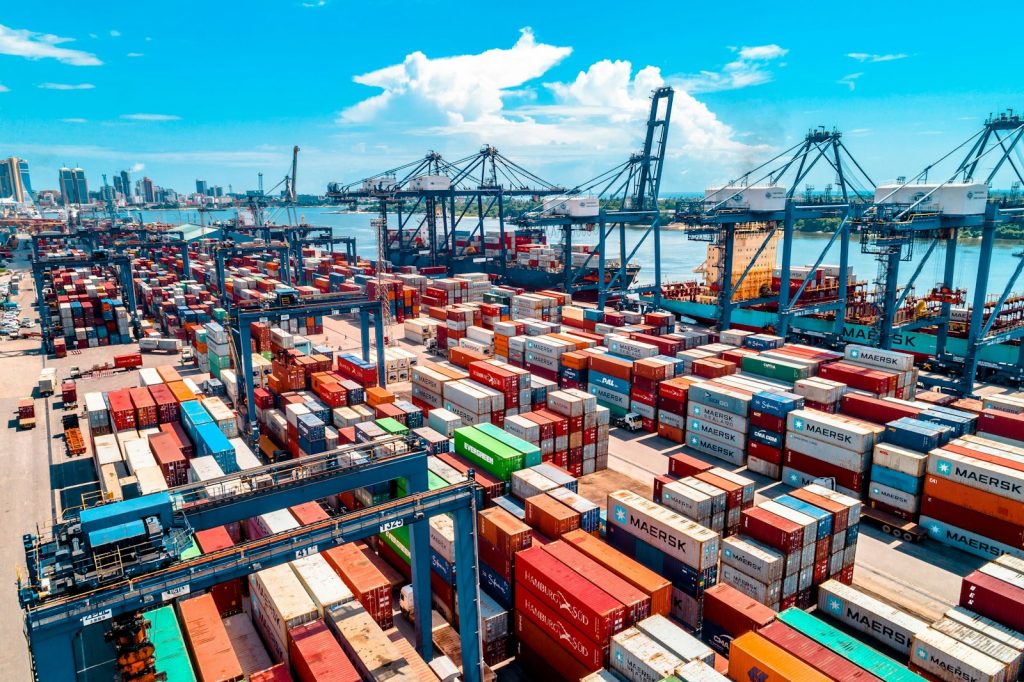
Key Indonesian ports for export include Tanjung Priok (Jakarta) and Tanjung Perak (Surabaya), which are major international hubs handling significant container traffic. Thailand’s main port, Laem Chabang, also offers extensive connections. The choice of port can influence transit times and freight costs, and reputable suppliers will advise on the most efficient options.
Container Readiness and SGS Pre-Shipment
Indonesian suppliers are highly experienced in preparing FCL (Full Container Load) shipments. This includes proper loading to maximize container space and ensure cargo stability during transit. SGS pre-shipment inspection is a standard inclusion for FCL orders from reputable Indonesian suppliers. This independent verification process confirms quantity, quality, and loading procedures before departure, providing an essential layer of assurance for importers. While Thai suppliers can also arrange SGS, the widespread practice among large Indonesian exporters makes it a more routine and streamlined process.
HS Codes
For customs clearance, the Harmonized System (HS) Code for coconut shell charcoal is 4402.90.10. This code is consistent globally, simplifying import procedures for buyers.
Market Demands and Buyer Expectations by Region
Different global markets have distinct preferences and regulatory environments for shisha charcoal. Understanding these nuances is key to successful sourcing.
GCC (Gulf Cooperation Council)
* **Ash Content:** Extremely sensitive to ash content; demand for very low ash (often <1.8%). * **Shape:** Predominantly 25x25x25mm cubes, with high demand for consistency in size and density. * **Packaging:** Often requires branded retail boxes, sometimes with specific design elements or language. * **MOQ:** Generally large volumes, often multiple FCLs, due to high consumption rates.
EU (European Union)
* **Regulations:** Strict import regulations regarding product safety, labeling, and sometimes origin documentation. REACH compliance or similar certifications may be required for certain additives (though pure coconut charcoal is generally less problematic).
* **Quality:** High demand for consistent quality, low ash, and minimal smoke/odor for café environments.
* **Shape:** Mix of 25mm cubes and flat shapes, depending on the specific market and consumer base.
* **Sustainability:** Growing interest in sustainably sourced products, though often secondary to price and quality.
US (United States)
* **Brand Perception:** Strong emphasis on branding and marketing; packaging design is a critical selling point.
* **Diversity:** Demand for a wider variety of shapes and sizes, including flats and fingers, catering to diverse hookah setups.
* **Distribution:** Large-scale distribution networks require consistent supply and reliable logistics.
* **Innovation:** Openness to new product forms or packaging innovations.
Minimum Order Quantity (MOQ)
For FCL-ready suppliers like Coconut Shisha Charcoal, the standard MOQ is typically one 20-foot container (approximately 18-20 MT, depending on packaging) or one 40-foot container (approximately 24-26 MT). While smaller orders might be possible through consolidators, direct factory sourcing for shisha charcoal is most efficient at FCL volumes.
Quality Control and Consistency: A Producer-Specific Factor
It is critical to emphasize that while origin plays a role, the ultimate quality and consistency of shisha charcoal depend significantly on the specific producer. Both Indonesia and Thailand have a spectrum of manufacturers, from small, inconsistent operations to large, highly professional factories.
Due Diligence and Factory Audits
Importers must conduct thorough due diligence on potential suppliers. This includes requesting factory audits, reviewing production processes, and verifying quality control protocols. Reputable Indonesian producers often have ISO certifications or internal quality management systems that ensure consistency from raw material processing to final packaging.
Manufacturing Processes
Key aspects of manufacturing that influence quality:
* **Carbonization:** Proper carbonization temperature and duration are crucial for fixed carbon content and ash purity.
* **Grinding and Mixing:** Consistent particle size and uniform mixing of any binders (natural starch) are essential.
* **Pressing:** High-pressure pressing ensures density and prevents premature crumbling.
* **Drying:** Controlled drying processes prevent cracks and ensure low moisture content.
* **Packaging:** Automated packaging lines reduce human error and maintain product integrity.
Indonesia’s structural advantage, with its abundance of raw material, has fostered the development of numerous specialized shisha charcoal factories. These facilities are often purpose-built for high-volume, precision manufacturing, giving them an edge in delivering consistent quality at scale.
Key Differentiators: Indonesia’s Structural Advantages
When weighing Indonesia charcoal vs Thailand, Indonesia’s core advantages stem from its unique resource endowment and the resulting industrial specialization.
- Raw Material Abundance
- Indonesia controls over 80% of the global coconut shell supply, guaranteeing a stable, large-scale source for production. This minimizes supply chain risks and cost fluctuations for raw materials.
- Dedicated Shisha Charcoal Factories
- The sheer volume of raw material has led to the establishment of highly specialized factories in Indonesia focusing solely on shisha charcoal, equipped with advanced machinery for precision cutting and quality control.
- Scalability and Production Capacity
- Indonesian producers generally offer greater scalability for large FCL orders, with the capacity to meet high-volume demands consistently.
- Competitive Pricing
- Due to lower raw material costs and economies of scale, Indonesia often maintains a competitive pricing edge, particularly for standard to premium grades.
- Established Export Infrastructure
- A mature export industry with well-developed port infrastructure and established shipping routes simplifies logistics for global buyers.
- SGS Pre-Shipment as Standard
- For reputable Indonesian exporters, SGS pre-shipment inspection is a routine inclusion, providing independent verification of product quality and quantity.
While individual Thai producers may offer excellent quality, the overall market structure favors Indonesia for large-volume, consistent supply. For importers seeking the best origin coconut shisha charcoal for long-term, high-volume needs, Indonesia presents a compelling case.
Frequently Asked Questions About Sourcing Shisha Charcoal
What is the typical lead time for an FCL order from Indonesia?
Lead times typically range from 20 to 45 days from confirmed order (deposit payment) to vessel departure. This includes production, quality control, packaging, and port logistics. Factors like order size, current factory load, and specific packaging requirements can influence this timeframe. Buyers should confirm lead times with their specific supplier at the time of order.
How can I verify the quality claims of an Indonesian supplier?
The most reliable method is to mandate an independent third-party pre-shipment inspection, such as SGS, which is standard practice for reputable Indonesian exporters. This involves laboratory testing for ash content, fixed carbon, moisture, and volatile matter, as well as physical inspection of packaging and loading. Additionally, requesting recent lab reports and conducting factory audits are recommended.
Are there different grades of Indonesian shisha charcoal?
Yes, Indonesian shisha charcoal is typically categorized into standard, premium, and super-premium grades. These distinctions are primarily based on ash content (e.g., standard >2.0%, premium 1.8-2.0%, super-premium <1.8%), fixed carbon levels, and consistency in physical specifications. Pricing varies significantly across these grades.
What Incoterms are most common for Indonesian shisha charcoal exports?
FOB (Free On Board) from major Indonesian ports (e.g., Jakarta, Surabaya) is very common, allowing buyers to manage their preferred shipping lines and insurance. CIF (Cost, Insurance, and Freight) and CNF (Cost and Freight) are also widely offered, where the seller arranges and pays for freight to the destination port.
Can Indonesian suppliers accommodate custom packaging and branding?
Yes, most established Indonesian shisha charcoal factories are equipped to handle custom packaging, including branded retail boxes, inner plastic wraps, and master cartons. Buyers typically provide their design specifications and branding guidelines. This usually requires a minimum order quantity for custom print runs.
For detailed sourcing information, specific quotes, or to discuss your unique market requirements, plan your trip by contacting Coconut Shisha Charcoal. Our team is available to assist you via email or WhatsApp.