Honest sourcing note: Coconut shisha charcoal is a natural product, so ash, fixed carbon, moisture and volatile matter are stated as tier bands — super-premium typically 1.6–2.0% ash and ≥80% fixed carbon — not zero-variance figures. Final specs are confirmed per purchase order and SGS pre-shipment lab analysis. FOB and CFR figures are indicative ranges last verified June 2026 and move with shell cost, kiln fuel, labor and freight; final pricing is by quote, never posted as fixed. MOQ is one full container (20ft or 40ft HQ); we ship FCL only. We are an independent Indonesian export desk — not a single plantation or factory — aggregating vetted producers in Sulawesi, North Maluku and Java. Import duties and rules are your responsibility; this is general information, not legal advice.
A thorough **SGS inspection for shisha charcoal** serves as a critical independent verification of product quality and quantity before shipment. This essential **pre shipment inspection charcoal** process provides an unbiased assessment, ensuring the product meets the agreed-upon specifications outlined in the sales contract.
Our export desk’s responsibility is to ensure that every FCL shipment departing Indonesian ports — whether from Sulawesi, North Maluku, or Java — adheres to the exact specifications our clients expect. We operate as an independent export desk, sourcing premium coconut-shell shisha charcoal from verified producers and managing the entire pre-shipment quality assurance, including comprehensive SGS certification.
The market for coconut shisha charcoal demands precision. Importers require factual data on ash content, fixed carbon, moisture, and calorific value, not just marketing claims. This is where a robust pre-shipment inspection, typically conducted by a globally recognized body like SGS, becomes non-negotiable. It bridges the trust gap between producer and buyer, translating raw production data into verifiable, actionable intelligence.
What is SGS Inspection for Shisha Charcoal?
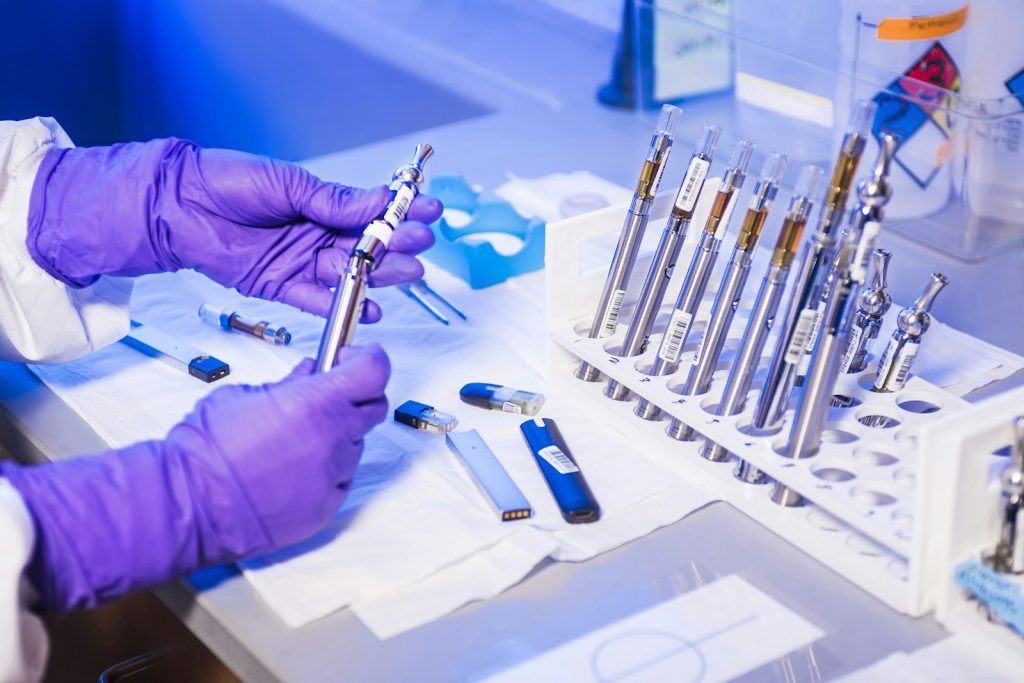
SGS (Société Générale de Surveillance) is a leading global inspection, verification, testing, and certification company. For coconut shisha charcoal, an SGS inspection is a third-party service engaged to confirm that a specific lot of charcoal meets the quality and quantity parameters stipulated in the commercial contract between buyer and seller. It’s an objective assessment, performed on-site at the production facility or port of loading, designed to mitigate risks for both parties involved in international trade.
This independent audit goes beyond a simple visual check. It involves systematic sampling, physical measurements, and laboratory analysis to provide a comprehensive report on the product’s characteristics. Our desk facilitates these inspections, ensuring proper coordination and transparency throughout the process.
The SGS Pre-Shipment Inspection Process: A Step-by-Step Guide
The **quality inspection shisha coal** process is structured and meticulous, designed to capture a representative snapshot of the entire lot. It typically involves several stages, from initial visual checks to detailed laboratory analysis.
Visual Inspection
The inspection begins with a thorough visual assessment of the charcoal’s physical characteristics and packaging. Inspectors examine:
- Packaging Integrity: Checking the condition of inner plastic bags, master cartons, and pallet wrapping. Any signs of damage, moisture ingress, or improper sealing are noted.
- Labeling Accuracy: Verifying that carton markings (product name, weight, country of origin, producer, dimensions, etc.) match the buyer’s specifications and regulatory requirements.
- Charcoal Appearance: Assessing the uniformity of charcoal briquettes in terms of shape, size, and color. Irregularities, excessive breakage, or foreign matter are documented.
- Container Condition (if applicable): If the inspection occurs at the point of stuffing, the inspector will check the cleanliness and seaworthiness of the shipping container.
Sampling Protocol
This is perhaps the most crucial stage. To ensure the laboratory results are representative of the entire batch, SGS employs a statistically sound sampling methodology.
- Random Selection:
- Cartons are randomly selected from the lot. The number of cartons sampled depends on the total quantity being inspected, following international standards like ISO 2859-1 or specific client requirements.
- Sub-Sampling:
- From each selected carton, multiple briquettes or a composite sample are drawn. These individual samples are then combined to form a single, representative “batch sample.”
- Sealing and Labeling:
- The batch sample is sealed and labeled with unique identifiers to ensure traceability and prevent tampering. Often, multiple samples are taken: one for the primary lab analysis, one for the buyer (if requested), and one for retention by the inspection body or supplier.
It is imperative that this sampling is conducted impartially, without influence from the supplier. Our desk ensures SGS has unfettered access to the production lot for true random sampling.
Weight Verification
Quantity verification is as important as quality. SGS inspectors conduct:
- Gross Weight Check: Randomly selected cartons are weighed to confirm the declared gross weight.
- Net Weight Check: A sample of cartons is opened, and the charcoal is weighed net of packaging to confirm the actual product weight.
- Tolerance Verification: These weights are checked against contractual tolerances (e.g., ±2% of declared weight).
Discrepancies in weight can lead to significant financial implications, making this a vital part of the inspection.
Laboratory Analysis: Key Parameters
The sealed batch sample is sent to an accredited SGS laboratory for detailed chemical and physical analysis. This is where the core **quality inspection shisha coal** metrics are determined. The typical parameters analyzed include:
Ash Content (%)
This measures the inorganic residue left after complete combustion of the charcoal.
- Significance: Lower ash content indicates higher purity and less residue in the shisha bowl, leading to a cleaner burn and better flavor retention. Super-premium charcoal typically aims for <1.8% ash.
- Our Experience: Charcoal sourced from Sulawesi often presents opportunities for ultra-low ash content, sometimes as low as 1.5%, while Java and North Maluku can consistently yield <2.2% for premium tiers.
Fixed Carbon (%)
This represents the amount of pure carbon available for combustion.
- Significance: Higher fixed carbon directly correlates with higher heat output and longer burning times. It is a key indicator of charcoal quality.
- Our Experience: Super-premium grades typically show >80% fixed carbon. Premium tiers generally achieve >78%, with standard grades reliably >75%.
Moisture Content (%)
The percentage of water present in the charcoal.
- Significance: High moisture reduces calorific value, causes “sparking” during ignition, and can lead to mold development during storage. Lower moisture content is always preferable.
- Our Experience: Our verified producers consistently achieve moisture levels below 6%, with some premium batches reaching <4%.
Volatile Matter (%)
The non-carbonaceous compounds (excluding moisture) that vaporize when heated.
- Significance: While some volatile matter is natural, excessively high levels can lead to unpleasant odors, excessive smoke, and a less clean burn.
- Our Experience: Good quality coconut shisha charcoal generally has volatile matter below 15%.
Calorific Value (Kcal/kg)
The amount of heat energy released when the charcoal is completely burned.
- Significance: A direct measure of the charcoal’s heating power. Higher calorific value means more efficient heat transfer to the shisha tobacco.
- Our Experience: Premium shisha charcoal typically registers above 7000 Kcal/kg.
Burning Time & Shape Integrity
While less common for standard lab reports, some inspections can include practical burn tests to verify advertised burning durations and observe how the charcoal maintains its shape and structural integrity during combustion. This is often a buyer-specific request.
- Standard Incoterms for Coconut Charcoal Export:
- FOB (Free On Board) Indonesian Port (e.g., Surabaya, Makassar, Jakarta) is the most common Incoterm we operate under. This means the seller is responsible for costs up to loading the goods onto the vessel. Buyers assume risk and cost once the charcoal is on board.
- Common HS Code:
- 4402.90.00 (Other wood charcoal, including shell or nut charcoal, agglomerated or not).
Understanding Your SGS Inspection Report
The culmination of the SGS inspection is a comprehensive report. This document is the definitive record of the charcoal lot’s quality and quantity at the time of inspection.
Interpreting the Data: What the Numbers Mean
The report will detail all findings, from visual observations to precise laboratory results for ash, fixed carbon, moisture, and calorific value. It will compare these findings against the specifications agreed upon in your Purchase Order (PO) or sales contract.
For clarity, here’s an indicative range of parameters we typically see across our tiers (last verified June 2026):
| Parameter | Super-Premium Tier | Premium Tier | Standard Tier |
|---|---|---|---|
| Ash Content | < 1.8% | < 2.2% | < 2.8% |
| Fixed Carbon | > 80% | > 78% | > 75% |
| Moisture Content | < 5% | < 6% | < 6% |
| Volatile Matter | < 12% | < 15% | < 18% |
| Calorific Value | > 7200 Kcal/kg | > 7000 Kcal/kg | > 6800 Kcal/kg |
| Burning Time | 1.5 – 2 hours | 1.5 – 2 hours | 1 – 1.5 hours |
*Note: These ranges are indicative and subject to change based on specific production batches, raw material availability, and producer capabilities across Sulawesi, North Maluku, and Java. A firm quote will always be based on actual production data and a specific lot.*
Acceptance vs. Rejection Criteria
The report will explicitly state whether the lot “passes” or “fails” based on the agreed specifications.
- Pass: If all parameters fall within the contractual tolerances, the lot is deemed acceptable for shipment.
- Fail: If one or more key parameters fall outside the agreed-upon tolerances, the lot is considered non-compliant.
If a lot fails, the supplier is typically obligated to either re-process the charcoal to meet specifications, offer an alternative compliant lot, or renegotiate terms with the buyer. This is a critical point where the SGS report empowers the buyer to make an informed decision before the charcoal leaves the port. Our desk, as an independent intermediary, facilitates this communication and resolution process transparently.
Timeline and Logistics for Pre-Shipment Inspections
The typical timeline for an SGS pre-shipment inspection, from the time of booking to the issuance of the final report, is usually **3-5 business days**. This includes:
- On-site Inspection: 1 business day (depending on lot size).
- Laboratory Analysis: 2-3 business days (can vary based on lab workload and specific tests requested).
- Report Generation: 1 business day after lab results are available.
Effective coordination is essential. The inspection needs to be scheduled when the full FCL-ready quantity is available and accessible for sampling. Our team coordinates directly with producers in Sulawesi, North Maluku, and Java, as well as with SGS, to ensure timely execution without disrupting the shipping schedule.
Cost of SGS Certification for Shisha Charcoal
The cost of an SGS pre-shipment inspection for shisha charcoal typically ranges from **0.25% to 0.5% of the total FOB value of the shipment**. Alternatively, SGS may charge a fixed fee, which can vary based on the scope of inspection (e.g., visual only vs. full lab analysis), the location of the inspection, and the total quantity of charcoal.
For an average 20-foot container (FCL) shipment of premium shisha charcoal, the cost of a full SGS inspection, including lab analysis, often falls within the range of USD 400 – USD 800, depending on the specific services requested and the current market rates for inspection services (last verified June 2026). This cost is usually borne by the buyer, though it can be negotiated into the sales contract. While an added expense, it represents a minimal investment relative to the potential financial losses from receiving substandard or incorrect product.
Why SGS Inspection Protects Both Buyers and Suppliers
The value of an independent inspection extends to both ends of the supply chain. It’s a risk management tool that fosters trust and clear communication.
Buyer Protection: Mitigating Quality and Quantity Risks
For buyers, SGS inspection is an indispensable safeguard.
- Quality Assurance: Verifies that the charcoal’s ash content, fixed carbon, moisture, and calorific value meet the agreed specifications, preventing the receipt of inferior goods.
- Quantity Verification: Confirms the exact weight and count of cartons, preventing discrepancies and short shipments.
- Dispute Resolution: Provides an objective third-party report that can be used as evidence in case of disputes, streamlining the resolution process.
- Brand Reputation: Ensures consistency in the product received, which is vital for maintaining the buyer’s own brand reputation and customer loyalty.
This independent verification allows buyers to proceed with payment confidently, knowing their investment is protected.
Supplier Assurance: Demonstrating Commitment and Quality
While often initiated by the buyer, a supplier also benefits significantly from SGS certification.
- Credibility: Demonstrates the supplier’s commitment to quality and transparency, building trust with international buyers.
- Reduced Returns/Complaints: Proactively identifies and rectifies potential quality issues before shipment, minimizing costly returns, reprocessing, or customer complaints.
- Market Access: Many international buyers, particularly those in discerning markets, require third-party inspection as a prerequisite for trade.
- Process Improvement: Regular inspections can highlight areas for process improvement in production and packaging, leading to more consistent product quality over time.
For our verified producers in Indonesia, having their product routinely pass SGS inspections reinforces their market position and allows them to command fair prices for their high-quality charcoal.
We understand the intricacies of sourcing premium coconut shisha charcoal. Our independent desk model means we are focused solely on connecting you with verified quality. For a deeper discussion on how pre-shipment inspection integrates into your sourcing strategy, plan your trip with us. We’re available via WhatsApp to discuss your specific requirements.
Alternatives to SGS: Bureau Veritas and Other Inspection Bodies
While SGS is prominent, it is not the only reputable inspection body. **Bureau Veritas charcoal inspection** is another widely accepted alternative. Like SGS, Bureau Veritas offers comprehensive inspection, testing, and certification services globally, adhering to similar international standards and methodologies.
Other recognized inspection companies include Intertek and Cotecna. The choice often comes down to buyer preference, regional presence, or existing relationships. Regardless of the chosen provider, the key principle remains the same: an independent, accredited third party conducting a thorough inspection and laboratory analysis to verify product specifications. Our desk works with any internationally recognized inspection body preferred by the buyer, ensuring the process remains impartial and robust.
The Independent Export Desk Advantage: Our Approach to Quality Assurance
At Coconut Shisha Charcoal, our role as an independent export desk is to streamline the sourcing process for you. We don’t merely aggregate products; we verify them. This means:
- Producer Vetting: We maintain an audited network of producers across Sulawesi, North Maluku, and Java, known for their consistent production capabilities and commitment to quality. We don’t work with every producer; only those who meet our stringent criteria for raw material sourcing, production hygiene, and operational transparency.
- Real Production Data: We quote only against real production data and actual batch samples. Inflated spec sheets are not part of our vocabulary. You get candid assessments of FCL lead times and expected ash percentages based on historical performance and current production runs.
- Facilitated Inspection: We coordinate all aspects of the pre-shipment inspection, working directly with SGS or your preferred inspection body. This ensures seamless access for inspectors and timely reporting.
- Transparency: Our commitment is to provide you with the most accurate information possible. If a particular lot presents a challenge, you will be informed directly, with options for resolution.
Our goal is to ensure that when your FCL container of coconut shisha charcoal arrives, it meets or exceeds your expectations, every time. This robust approach to quality assurance, centered around independent verification, is fundamental to our operation.
What are typical FCL lead times for shisha charcoal from Indonesia?
FCL lead times for coconut shisha charcoal from Indonesia typically range from 3-6 weeks from order confirmation to vessel departure. This includes production, packaging, internal logistics to the port, and booking a vessel. Specific lead times are contingent on the producer’s current order book, raw material availability (coconut shells), and shipping line schedules from ports like Surabaya, Makassar, or Jakarta. We provide firm lead times upon specific inquiry, based on real-time production schedules.
Can I request specific tests beyond ash, FC, and moisture?
Yes, buyers can request additional laboratory analyses such as heavy metals testing, volatile organic compounds (VOCs), or specific particle size distribution. These additional tests would be specified in the contract and may incur extra costs and potentially extend the laboratory analysis timeline. We will coordinate with SGS or your chosen inspection body to accommodate these requests.
What if the SGS report shows the charcoal fails to meet specifications?
If the SGS report indicates a failure to meet the agreed-upon contractual specifications, the buyer has grounds to reject the shipment. At Coconut Shisha Charcoal, we facilitate immediate communication between the buyer and the producer to discuss options. These typically include re-processing the charcoal (if feasible), offering a compliant alternative lot, or negotiating a price adjustment. The SGS report serves as objective evidence to guide these discussions toward a fair resolution.
Who pays for the SGS inspection?
The cost of the SGS inspection is typically borne by the buyer, as it is primarily for their assurance. However, this can be negotiated and stipulated in the sales contract. In some cases, the cost may be shared, or the seller may cover it as a value-added service for premium orders. This is a commercial term to be agreed upon prior to contract finalization.
What is the difference between an SGS inspection and a Certificate of Origin (COO)?
An SGS inspection verifies the quality and quantity of the goods themselves at a specific point in time, as per contractual agreement. A Certificate of Origin (COO), on the other hand, is a trade document that certifies the country of manufacture or production of the goods. While both are crucial export documents, they serve different purposes. The COO is typically issued by a Chamber of Commerce or a government body in the exporting country (e.g., Indonesia) and is essential for customs clearance and determining applicable tariffs.
Navigating the complexities of international charcoal trade requires diligence and a trusted partner. Our commitment is to clarity and verifiable quality, backed by independent inspection. For a direct conversation about your specific shisha charcoal requirements and how we manage quality from Sulawesi, North Maluku, or Java, reach out to us. We’re available to discuss your needs via WhatsApp or through our contact us page.